Have you ever finished reading a Bible story with your kids, only to realize a few minutes later they can barely remember what happened?
You’re not alone. So many of us long for more than just listening—we want our children to truly understand God’s Word and carry it with them.
That’s where Bible story sequencing comes in. It’s simple, hands-on, and incredibly effective at helping kids remember and understand Bible lessons in a meaningful way.
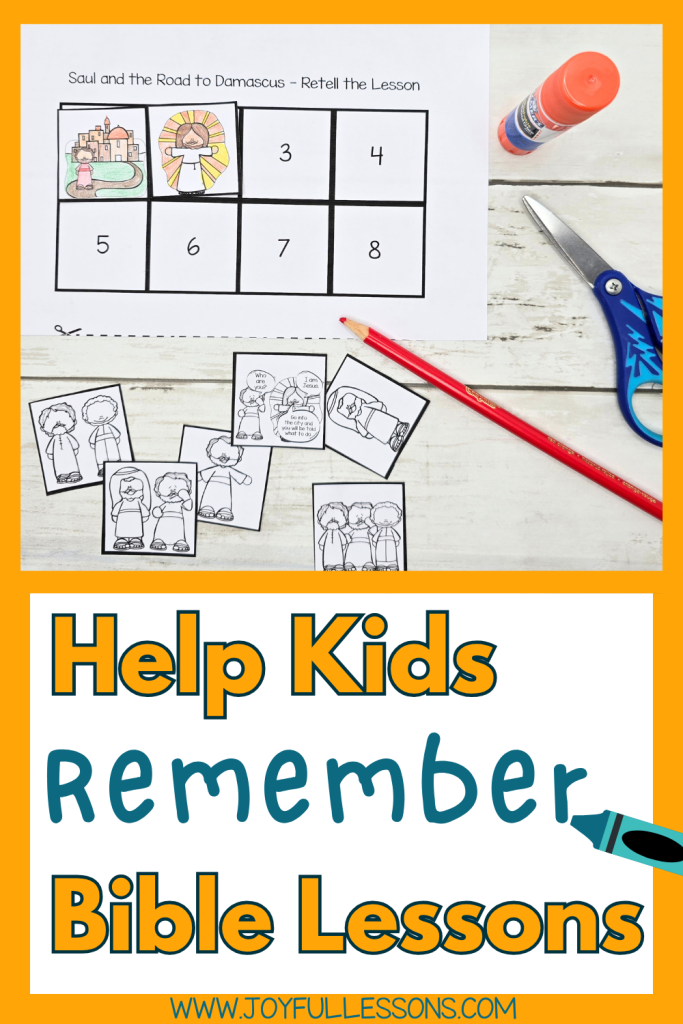
Let’s talk about why it works so well—and how you can easily add it to your Bible time.
What Is Bible Story Sequencing?
Story sequencing is simply putting the events of a Bible story in the correct order.
Kids take a story they have just heard and interact with it—moving from passive listening to active learning.
Instead of just hearing about what happened, they begin to process it… piece by piece.
Why Bible Story Sequencing Helps Kids Remember
It strengthens memory (without feeling like review)
When kids sequence a story, they revisit it multiple times—while listening, sorting, and retelling. This gentle repetition helps the story stick without it feeling like extra work.
It builds true understanding
Sequencing helps children see how events connect. They begin to understand not just what happened, but why it happened.
It keeps kids actively engaged
This is especially helpful for wiggly learners. Instead of just answering review questions, they’re moving pieces, thinking, and participating.

It develops retelling skills
When kids put a story in order, they then retell it in their own words. This builds confidence and strengthens communication and comprehension skills.
It supports different learning styles
Bible story sequencing works beautifully for:
- Visual learners (seeing the story unfold)
- Hands-on learners (moving and arranging pieces)
- Auditory learners (retelling the story out loud)

It opens the door for meaningful conversations
As kids work through the story, natural questions come up:
- “What happened next?”
- “Why did he do that?”
- “What does this teach us about God?”
These little moments often lead to the sweetest, most meaningful discussions. And that’s what it is all about!
Simple Ways to Use Bible Story Sequencing in Your Lessons
You don’t need anything complicated to make this work. Here are a few easy, fun ways to incorporate story sequencing into your routine.
Story Cards (Perfect for Younger Kids)
Story cards are one of the easiest ways to start.
Use simple illustrated cards that show key moments from the Bible story. After reading, let your child:
- Put the cards in order
- Match them as you read the story again
- Use them to retell the story in their own words

Tip #1: Start with just 3–4 cards for younger kids, then add more as they grow.
Tip #2: For older kids, you could have them write key events at the bottom of each picture, or write the events on notecards and sequence those instead of using pictures.
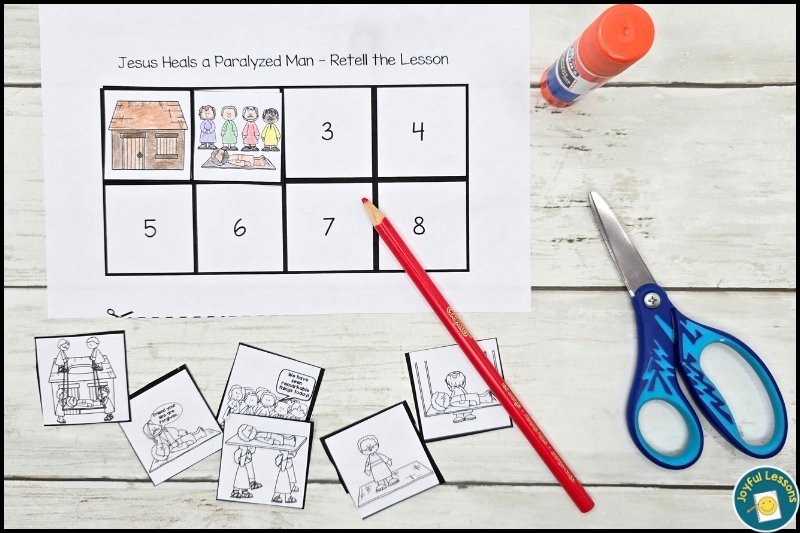
Cut-and-Paste Retell Activities
This is a favorite for many kids because it combines creativity with learning.
Give children pictures from the story to cut out and glue in the correct order.
Comic Book Style Retelling (Perfect for Older Kids)
Older kids often love having a bit more creative freedom.
Have them turn the Bible story into a simple comic strip:
- Draw the story in boxes
- Add speech bubbles for characters
- Include short captions to describe what’s happening
This helps them think more deeply about the story while expressing it in a creative way.
Extension ideas:
- Add thought bubbles (“What might Moses have been thinking?”)
- Include a final box showing the lesson or truth from the story
- Let them share their comic with siblings or friends
Tips for Making Bible Story Sequencing Even More Effective
Keep it simple and enjoyable.
A few small adjustments can make a big difference:
- Use sequencing right after reading the Bible story while it’s fresh
- Keep activities short, especially for younger children
- Revisit the same story later in the week
- Encourage your child to retell the story to someone else
Those little moments of retelling are powerful because they help move God’s Word from short-term memory into their hearts.

A Gentle Encouragement
If you’ve ever felt like your Bible lessons need to be more engaging or more memorable, take heart—you don’t need anything complicated.
Simple, intentional activities like story sequencing can make a lasting impact.
You are faithfully planting seeds every time you open God’s Word with your children… and that matters more than you know.
Try It This Week
Pick one Bible story this week and add a simple sequencing activity afterward.
It doesn’t have to be perfect. Just start.
You may be surprised at how much more your children remember—and how much deeper your conversations become.
Because learning God’s Word doesn’t have to be complicated…
It can be simple and fun!